Dell and Asus have announced new mini PCs intended for use with Windows 365. These systems will not power themselves, but will simply allow users to operate Windows running in the cloud.
Someone will install Linux on them and use them as a cheap barebones computer. I’m sure with a bit of jiggery-pokery they can be repurposed to something useful.
You say that based on 30-40 years of companies not really knowing what they were doing, but we live in a world where hardware manufacturers ABSOLUTELY know how to make nearly unhackable, locked down hardware. Smartphones are already like this - if the manufacturer decides you don’t get to install a custom OS, unless you’re lucky enough for there to be an exploit, you don’t get to. Same goes for game consoles. That knowledge can easily be applied to these to make these, if not completely unhackable, so unstable and inconvenient as to be almost the same.
I don’t know, I don’t share your pessimism. In my personal experience, most hardware isn’t unhackable. Apart from iPhone / iPad (where hardware and software are non-standard, and also made by the same vendor) I struggle to find any examples.
I have installed Linux many times on Chromebooks, where there is some BIOS module that checks for OS “authenticity”, but that can be disabled. I have flashed ROMs on android devices many times too. It’s sometimes a bit inconvenient, but nothing remotely close to impossible.


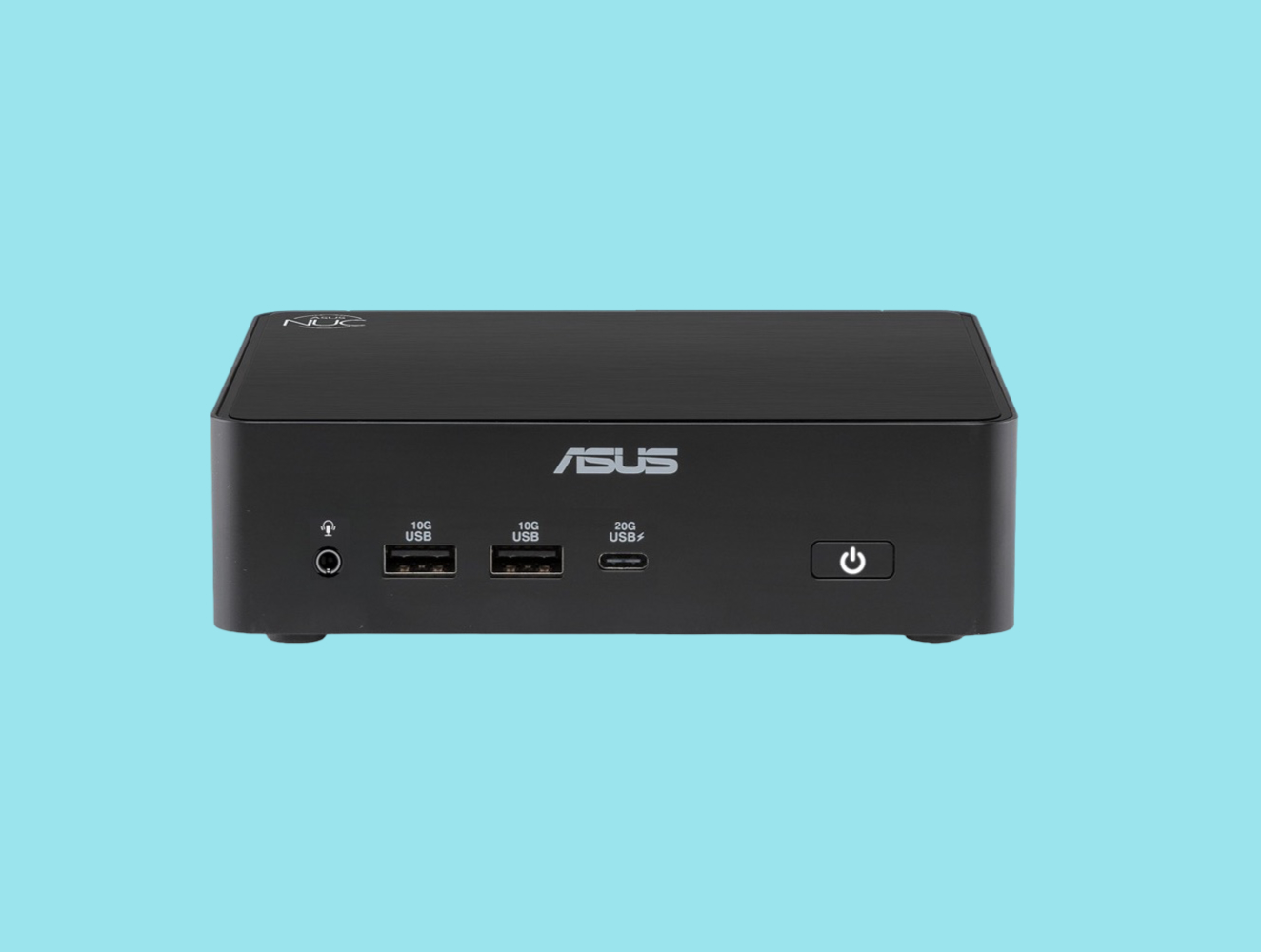
Someone will install Linux on them and use them as a cheap barebones computer. I’m sure with a bit of jiggery-pokery they can be repurposed to something useful.
I think they are just Intel N-series mini PCs, which is what I already use with Linux.
Upvoted for jiggery-pokery
You say that based on 30-40 years of companies not really knowing what they were doing, but we live in a world where hardware manufacturers ABSOLUTELY know how to make nearly unhackable, locked down hardware. Smartphones are already like this - if the manufacturer decides you don’t get to install a custom OS, unless you’re lucky enough for there to be an exploit, you don’t get to. Same goes for game consoles. That knowledge can easily be applied to these to make these, if not completely unhackable, so unstable and inconvenient as to be almost the same.
We are absolutely entering this nightmare phase.
I don’t know, I don’t share your pessimism. In my personal experience, most hardware isn’t unhackable. Apart from iPhone / iPad (where hardware and software are non-standard, and also made by the same vendor) I struggle to find any examples.
I have installed Linux many times on Chromebooks, where there is some BIOS module that checks for OS “authenticity”, but that can be disabled. I have flashed ROMs on android devices many times too. It’s sometimes a bit inconvenient, but nothing remotely close to impossible.
I’m hoping this flops and I’ll have a bunch of micros for proxmox
Probably at least as powerful as a raspberry pi
These definitely could be pretty solid headless Linux serverboxes for microservices.