According to this one study [1] that focused on Japanese airspace, 2.2% of the flights causes 80% of all contrail energy forcing (EF).
A small-scale strategy of selectively diverting 1.7% of the fleet could reduce the contrail EF by up to 59.3% [52.4, 65.6%], with only a 0.014% [0.010, 0.017%] increase in total fuel consumption and CO2 emissions. A low-risk strategy of diverting flights only if there is no fuel penalty, thereby avoiding additional long-lived CO2 emissions, would reduce contrail EF by 20.0% [17.4, 23.0%].
The re-routing can simply be achieved by changing the flight elevation by 2000 feet one or the other direction.
[1] Teoh, Roger et al. “Mitigating the Climate Forcing of Aircraft Contrails by Small-Scale Diversions and Technology Adoption.” Environmental science & technology vol. 54,5 (2020): 2941-2950. doi:10.1021/acs.est.9b05608


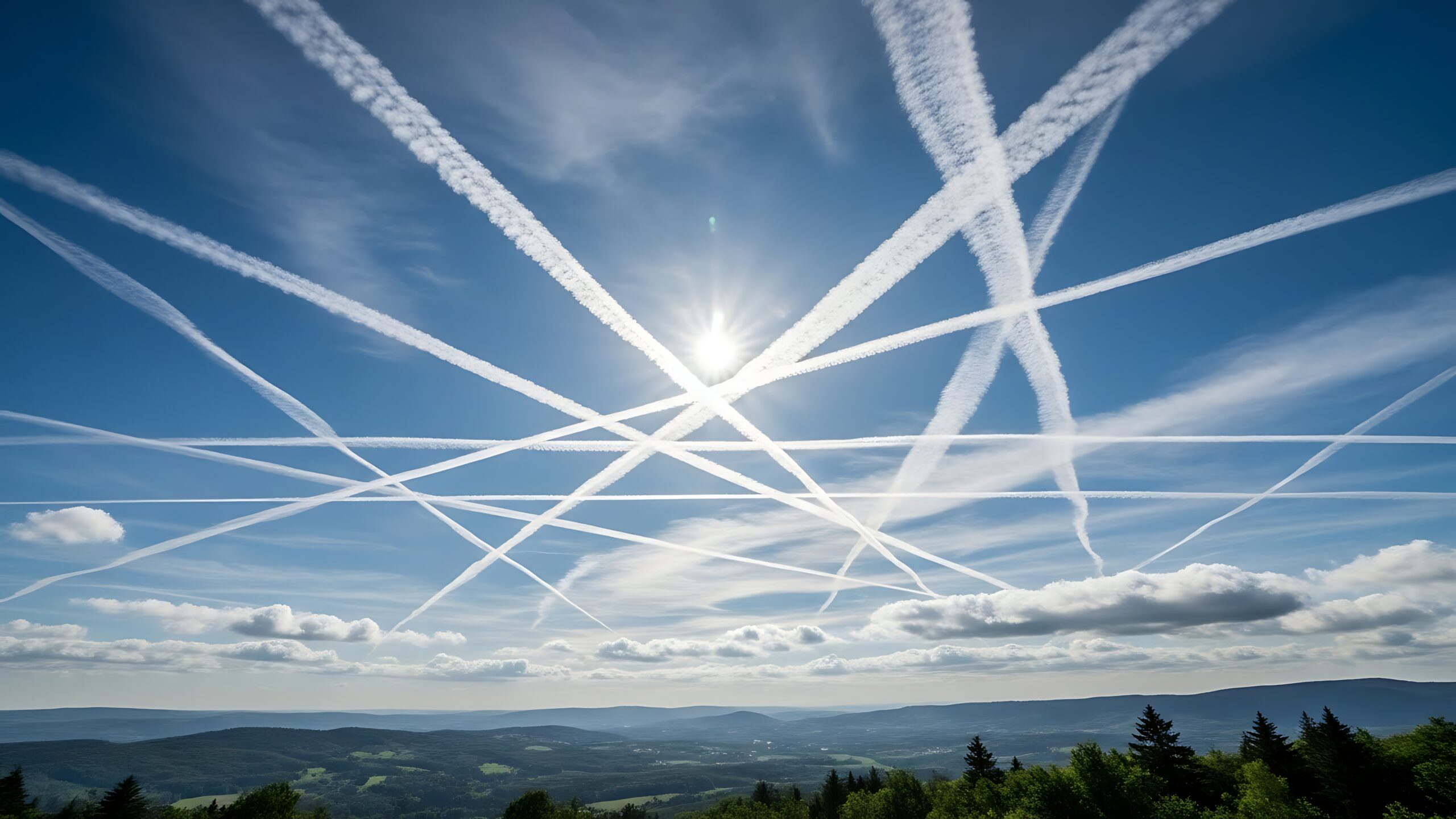
According to this one study [1] that focused on Japanese airspace, 2.2% of the flights causes 80% of all contrail energy forcing (EF).
The re-routing can simply be achieved by changing the flight elevation by 2000 feet one or the other direction.
[1] Teoh, Roger et al. “Mitigating the Climate Forcing of Aircraft Contrails by Small-Scale Diversions and Technology Adoption.” Environmental science & technology vol. 54,5 (2020): 2941-2950. doi:10.1021/acs.est.9b05608